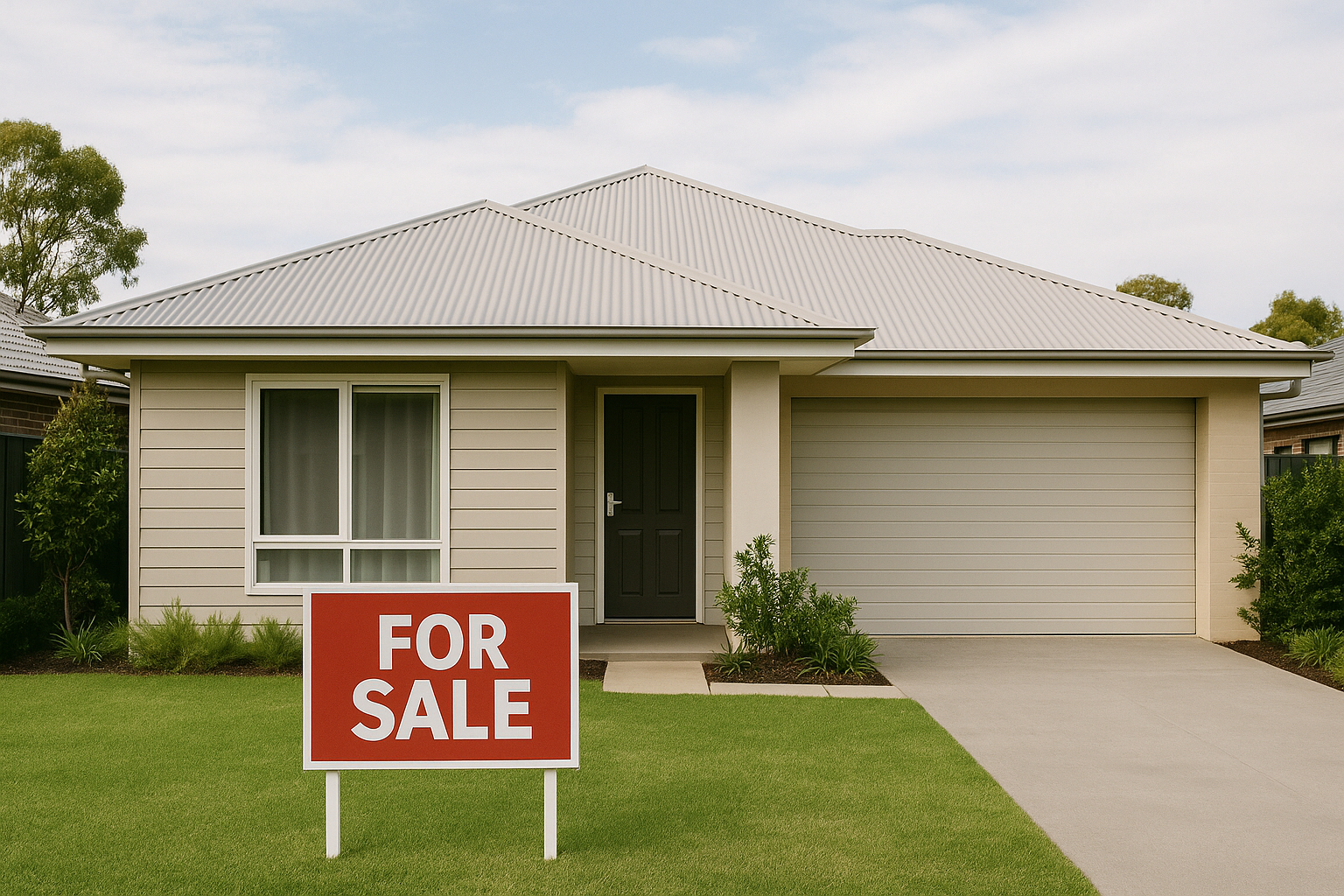
What buyers notice in the first 30 seconds

You walk through the front door and, almost immediately, you have a feeling about the house.
It might feel bright, fresh and welcoming. Or perhaps something just doesn't seem quite right - even if you can't immediately explain why.
First impressions are powerful when buying a home. Long before you've checked the bedrooms, opened the cupboards or inspected the backyard, your brain has already started processing dozens of small clues about how the property has been maintained and how comfortable it might be to live there.
But what exactly are buyers noticing in those first 30 seconds?
The smell test happens instantly
One of the first things we notice when entering a home isn't something we see at all. It's smell.
Fresh air and a clean home can create an immediate sense that a property has been cared for. Musty or damp smells, however, can quickly raise questions.
Sometimes there's an innocent explanation - a house may simply have been closed up for several days, but persistent musty smells can also warrant closer investigation for moisture, inadequate ventilation or mould.
Strong fragrances can have the opposite effect. An overwhelming amount of air freshener or scented candles may leave buyers wondering what's being masked. Your nose isn't a building inspection tool, but it can certainly tell you when it's worth looking a little closer.
Light changes how a home feels
Natural light has an enormous influence on first impressions. Bright rooms often feel larger, warmer and more inviting, while darker spaces can feel smaller than they actually are.
That's one reason sellers commonly open blinds, switch on lights and trim vegetation before an inspection.
For buyers, however, it's worth looking beyond the presentation. Which rooms receive natural light? How does the home's orientation affect them? Are lights switched on everywhere because the property is naturally dark?
In South Australia, orientation and shading can also influence how comfortable a home is through our hot summers and cooler winter months.
Buyers notice maintenance - even subconsciously
A loose door handle probably won't stop someone buying a house. Neither will peeling paint or a dripping tap. But several small maintenance issues appearing together can create a bigger impression: if these things haven't been maintained, what else hasn't?
Overflowing gutters, deteriorated sealants, damaged timber, cracked tiles, flaking paint and poorly maintained external areas can all suggest that more substantial maintenance may also have been deferred.
Individually, these issues may be minor. Collectively, they tell a story about how the property has been cared for.
Cracks attract attention
Few things catch a buyer's eye faster than a crack in a wall. The important thing to remember is that not every crack means there is a serious structural problem.
Homes move over time, and minor cracking can occur for many reasons. What matters is the location, width and pattern of the cracking, whether it appears to be changing, and what may be causing it.
That's where professional assessment becomes important. Rather than assuming the worst - or dismissing a crack as purely cosmetic - an experienced building consultant can assess whether further investigation is warranted.
Presentation can be persuasive
There's a reason professionally presented homes photograph and inspect so well. Furniture helps buyers understand how spaces can be used. Fresh paint makes rooms feel cleaner. Good lighting creates warmth, while carefully placed mirrors and uncluttered surfaces can make spaces appear larger.
An experienced building inspector can ‘see through’ a fresh coat of paint.
There's nothing wrong with any of this - good presentation helps buyers imagine themselves living in a property.
The trick is to mentally separate how the home has been presented from how the home has been built and maintained. That beautiful rug may define the living area perfectly, but you still want to know what's happening underneath it.
Then comes the question: could I actually live here?
Once the initial visual impression settles, buyers often start imagining everyday life.
Where would the couch go? Is there enough storage? Can you get groceries from the garage to the kitchen easily? Is there somewhere quiet to work? Will the dining table actually fit? Can children move easily between indoor and outdoor spaces?
These are an important part of assessing a property. A beautifully presented home can still have an awkward floor plan, insufficient storage or spaces that simply don't suit the way you live.
First impressions matter - but they aren't an inspection
The first 30 seconds can tell you plenty about how a property feels, but they can't tell you everything about how it performs as a home.
A freshly painted wall doesn't reveal what's happening inside it. A sparkling bathroom doesn't confirm that waterproofing has been installed correctly, and a beautifully renovated kitchen tells you very little about the condition of the roof.
That's why it's important not to let either a great first impression - or a poor one - make the decision for you.
Look beyond what you can see
Buying a home is both an emotional and financial decision. It's perfectly normal to walk into a property and fall in love with it. The key is making sure that initial enthusiasm is followed by careful due diligence.
An independent building inspection can help identify defects, maintenance issues and areas requiring further investigation that may not be apparent during a busy open inspection.
Members of the Association of Building Consultants can provide independent professional advice to help buyers better understand the property they're considering before making one of life's biggest financial commitments.
While the first 30 seconds might tell you whether you like a house, a thorough inspection can help you understand what you're actually buying.
For more great information and practical property insights, visit www.buildinginspectors.org.au